 By Casey O’Hara
 How shot blasting works—and why it outperforms other floor preparation methods
Industrial shot blasting is a precision surface preparation process that propels steel abrasive at high speed onto a concrete slab, breaking away weak surface layers, laitance, and contamination. The machine immediately vacuums and recycles the shot while capturing dust, leaving a clean, textured surface ready to bond with new coatings or screeds. This closed-loop system is engineered for productive, dust-controlled preparation, making it ideal for live industrial environments where uptime, hygiene, and safety are paramount.
What sets shot blasting apart is the consistency of the surface profile it creates. Rather than polishing the surface like some grinding approaches, it produces a controlled macrotexture and microtexture—often referred to as a mechanical key. This key is vital for adhesion, helping epoxy coatings, polyurethane systems, and cementitious or resin-based screeds perform at their design life under forklifts, pallet trucks, and heavy footfall. The technique can be tuned by selecting media size and machine settings to achieve a profile appropriate for thin-film coatings, high-build epoxy, or thicker trowel-applied screeds.
Compared with outdated methods such as acid etching, shot blasting delivers superior results without introducing chemicals or excessive moisture into the slab. It also avoids the inconsistent scratch patterns left by poorly configured grinding. Production rates are high, enabling large areas to be prepared quickly during shutdown windows. Because the media can be reused multiple times and dust is captured at source, the process is efficient and cleaner, supporting safer work under UK regulations and helping facilities meet stringent cleanliness standards in sectors like food & drink, pharmaceuticals, and electronics.
From a performance standpoint, shot blasting improves coating adhesion, reduces the risk of delamination, and supports even film build across the floor. The results are measurable: more uniform pull-off strengths, better primer penetration, and fewer early-life failures caused by bond issues or residual contamination. For managers tasked with guarding budgets and minimizing downtime, this translates to a more predictable installation and a floor that lasts longer before the next refurbishment cycle.
Where shot blasting delivers results across UK industry: typical projects and scenarios
Shot blasting excels wherever a hard-wearing, low-maintenance floor is essential. In distribution centres and logistics hubs, the process rapidly removes curing compounds, paint residues, rubber deposits, and weak laitance, creating a robust bond line for epoxy coatings and line-marking systems that guide automated and manual traffic. Manufacturing and engineering workshops rely on it to prepare for chemical-resistant resins that can handle oils, coolants, and thermal cycling. Food and beverage plants benefit from the deeply anchored profile that underpins resin-rich, hygienic floors, while cold stores use it to support systems that manage condensation and thermal shock.
Other common applications include aircraft hangars, automotive facilities, data centres, and public infrastructure such as concourses and car parks. In each case, the goal is the same: deliver a consistent surface that maximizes adhesion and extends life-to-refurbishment. Facilities managers, main contractors, and maintenance teams frequently choose Industrial Shot blasting services as the first step in a robust refurbishment plan because they provide speed, repeatability, and minimal disruption to adjacent operations.
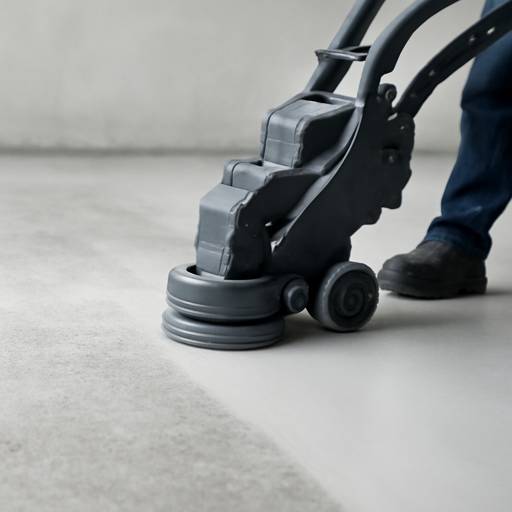
Effective delivery starts with a thorough site survey. Moisture testing determines whether a moisture suppression system is needed before coatings or screeds. Contaminants—oils, greases, or chemical spills—are identified and addressed with targeted degreasing so the blasting process can cut cleanly into sound concrete. Cracks are chased and repaired, surface defects are made good, and joints are assessed for arris rebuilds to prevent premature joint failure under traffic. Only then is the blasting program designed: machine size, shot grade, and passes are matched to the target surface profile and the specified floor system.
Operationally, the process is tailored to each site. For live warehouses, crews can sequence work aisles and loading bays to keep goods moving. In hygiene-critical environments, HEPA-filtered dust extraction and clean-down protocols protect adjacent production. For power-constrained or high-security sites, planning covers access, waste segregation, and noise control. Compliance with UK expectations around dust exposure and safe operation is integral, and the compact footprint of modern machines makes them suitable for mezzanines, plant rooms, and tight corridors as well as open production halls. The outcome is a prepared substrate that accelerates installation and helps guarantee performance, whether the next step is a thin-build epoxy, a heavy-duty polyurethane screed, or a levelling compound beneath sheet vinyl.
From surface profile to system handover: integrating shot blasting with epoxy, screeds, and long-term performance
Shot blasting is most effective when integrated into a complete flooring strategy. The target is not only to clean the concrete but to achieve the right surface profile for the specified system. Thin-film epoxies typically need a lighter profile to avoid telegraphing texture; high-build resins and polyurethane screeds often require a deeper, more aggressive key to anchor under heavy loads and thermal changes. By tuning media size, feed rate, and pass pattern, the installer can deliver a profile that supports strong primer wet-out and uniform thickness across the slab, including at edges and around columns where failures commonly begin.
Once blasting is complete, quality control ensures the substrate is truly ready. Dust is vacuumed from micro-pores, and adhesion pull-off testing may be performed to validate bond capacity. If moisture is elevated, a compatible damp-proof primer or moisture suppressant is applied, creating a reliable base for the subsequent system. For resin floors, this might include crack bridging, coving at wall junctions for hygienic cleanability, anti-slip aggregates in wet zones, or ESD-control systems in electronics manufacturing. Where levels must be corrected, a polymer-modified or cementitious screed can be installed onto the blasted slab to achieve falls or meet flatness tolerances before resin or vinyl finishes are applied.
The benefits continue into service life. A substrate that has been thoroughly and uniformly profiled resists delamination even under aggressive forklift maneuvers, point loads, and thermal cycling from washdowns or process heat. Concrete floor preparation done this way also optimizes chemical resistance by ensuring primers and coatings penetrate and interlock rather than sitting on a polished skin. Maintenance teams see fewer edge lifts at joints, better performance around drains and thresholds, and easier cleaning due to properly embedded systems that do not trap contaminants beneath loose coatings.
From a commercial standpoint, the integration of shot blasting with the right primer and system specification reduces installation risk and compresses project timelines. Faster cure schedules can be achieved when substrates are dry, open-textured, and contaminant-free, helping plants hit tight shutdown targets. Over the life of the facility, the combination of strong adhesion, even film build, and correct detailing delivers lower total cost of ownership: fewer spot repairs, extended intervals between overcoats, and predictable performance under audits and compliance checks. In short, shot blasting is the foundation that makes modern epoxy, polyurethane, and screed systems work as designed—turning a concrete slab into a durable, safe, and efficient working surface for demanding UK industrial operations.

Sydney marine-life photographer running a studio in Dublin’s docklands. Casey covers coral genetics, Irish craft beer analytics, and Lightroom workflow tips. He kitesurfs in gale-force storms and shoots portraits of dolphins with an underwater drone.